

Table of Contents
- Is Sourdough Bread Easier to Digest Than Regular Bread?
- How Long Fermentation Changes Digestibility
- Is Sourdough Low FODMAP?
- Sourdough vs Commercial Yeast Bread Digestion
- Sourdough Bread Benefits for Gut Health
- What About Gluten in Sourdough?
- Choosing Authentic Sourdough for Better Digestion
- Frequently Asked Questions
Last Updated: September 25, 2026
Is Sourdough Bread Easier to Digest Than Regular Bread?
Sourdough bread easier to digest is a question many people ask when they're struggling with regular bread. The short answer: yes, for many people, sourdough is genuinely easier on the digestive system than commercial yeast bread. But the reason isn't what most people think.
The difference comes down to fermentation. When sourdough ferments for 12-24 hours (or longer), the wild yeast and bacteria in the starter break down starches and proteins in ways that commercial yeast simply doesn't. This process reduces compounds that can trigger digestive discomfort, makes nutrients more bioavailable, and creates a bread that sits easier in your stomach.
At Isaacs Artisan Sourdough, we craft traditionally fermented loaves for customers in Toms River and the surrounding area. Our Classic Loaf undergoes extended fermentation that creates the chemical changes your gut appreciates. Let's explore what the science actually shows about digestibility, and why authentic sourdough stands apart from the supermarket imposters.

How Long Fermentation Changes Digestibility
Long fermentation is the engine behind sourdough's digestive advantage. When dough sits for 12-24 hours or more, the wild yeast and lactic acid bacteria in the starter consume sugars and break down proteins. This isn't just flavor development, it's a fundamental transformation of the bread's structure.
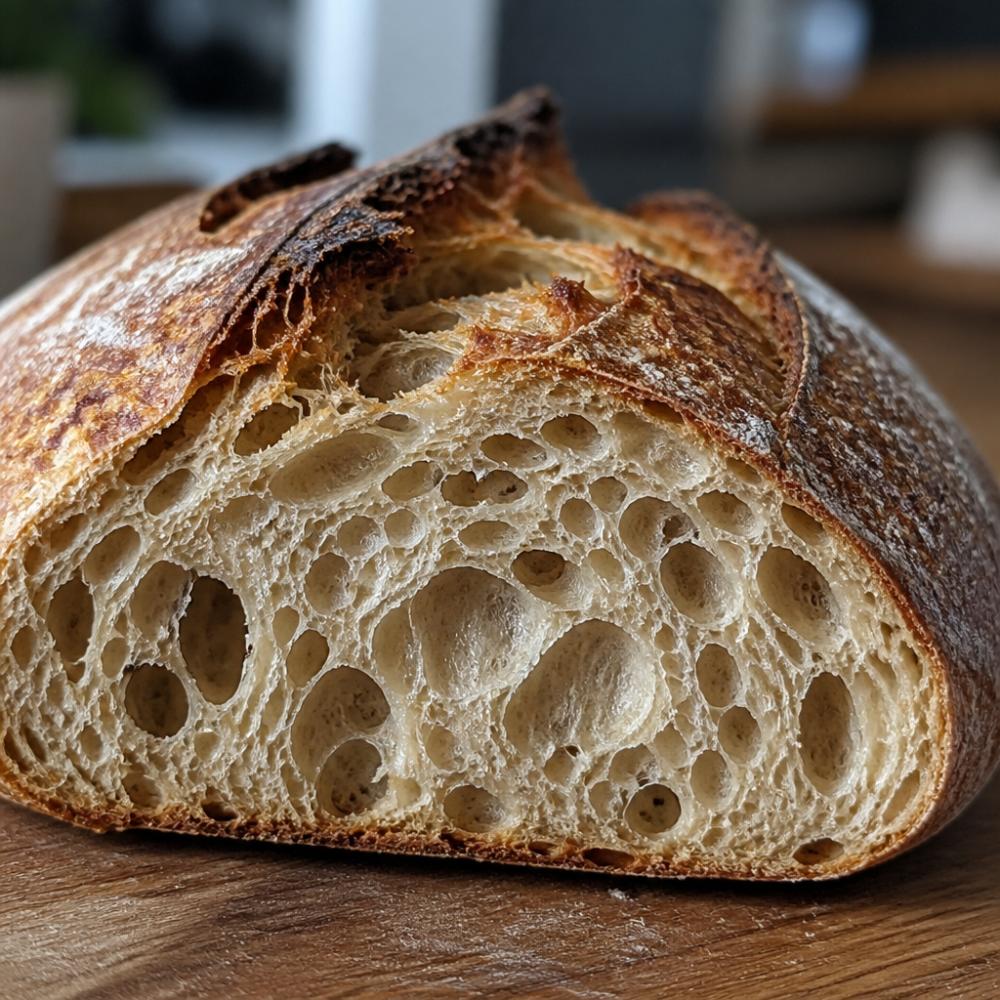
The bacteria produce lactic acid, which lowers the dough's pH and activates enzymes called proteases and amylases. Proteases break down gluten and other proteins. Amylases break down starches into simpler sugars. This pre-digestion means your stomach doesn't have to work as hard. Many people report feeling fuller longer after eating sourdough, with less bloating afterward.
Commercial yeast bread, by contrast, ferments for 2-4 hours at most. The dough rises quickly, but the chemical breakdown never happens at the same scale. The gluten remains largely intact, the starches stay complex, and your digestive system faces the full workload.
The longer the fermentation, the greater the effect. A 24-hour ferment creates more digestible bread than an 18-hour one. This is why authentic sourdough from small bakeries, where time is invested rather than rushed, performs better than "sourdough-flavored" bread from commercial operations that ferment for just a few hours and add sourdough flavoring to speed up production.
Is Sourdough Low FODMAP?
This is where the digestibility story gets more nuanced. Sourdough bread easier to digest partly depends on whether you're sensitive to FODMAPs, fermentable carbohydrates that can trigger bloating, gas, and cramping in people with IBS or similar conditions.
Traditional sourdough is often lower in FODMAPs than regular bread, but not zero. The fermentation process consumes some of the fructans (a type of FODMAP) in wheat, but doesn't eliminate them entirely. For people with severe FODMAP sensitivity, sourdough may still cause symptoms, though usually less severe than regular bread.
The FODMAP content depends on fermentation length and temperature. Longer, cooler ferments (like a cold overnight fermentation) reduce FODMAPs more effectively than shorter, warmer ones. Some bakeries intentionally use extended cold fermentation specifically to lower FODMAP levels. If you're managing IBS or similar conditions, asking your sourdough baker about their fermentation method matters.
Spelt or einkorn sourdough, ancient grain varieties, sometimes test lower in FODMAPs than modern wheat sourdough, though research here is still emerging. The safest approach: if you're FODMAP-sensitive, start with a small portion of authentic sourdough and observe your response. Many people find they tolerate it better than expected, but individual variation is real.
Sourdough vs Commercial Yeast Bread Digestion
The digestive difference between sourdough vs commercial yeast bread digestion is substantial and rooted in biology, not marketing.
Commercial yeast bread uses baker's yeast (usually Saccharomyces cerevisiae), which ferments dough quickly and predictably. It's efficient for industrial production. But speed means incomplete breakdown of gluten and starches. The dough rises in 2-4 hours, then goes straight to the oven. Your digestive system inherits the unfinished work.
Sourdough uses wild yeast and lactic acid bacteria, a slower, more thorough process. The bacteria produce lactic acid, which doesn't just flavor the bread; it actually weakens gluten strands and makes starches more accessible. This is why sourdough dough is often easier to digest even before baking.
After baking, the difference persists. Sourdough's crumb structure is typically more open and airy, a result of longer fermentation creating more gas and better gluten development. This open structure makes it physically easier for your digestive enzymes to access the starches and proteins. Commercial bread, especially mass-produced varieties with added dough conditioners and preservatives, has a tighter crumb and often sits heavier in the stomach.
Many people report that they can eat sourdough without the bloating or discomfort they experience with regular bread.
Sourdough Bread Benefits for Gut Health
The digestive benefits of sourdough extend beyond just being easier to digest. Sourdough bread benefits for gut health include several mechanisms that support your microbiome and nutrient absorption.
The lactic acid produced during fermentation feeds beneficial bacteria in your gut. It also lowers the pH of your digestive tract slightly, creating an environment where good bacteria thrive. Some research suggests that consuming fermented foods, including sourdough, may support overall gut diversity.
Sourdough fermentation also increases the bioavailability of minerals like iron, zinc, and magnesium. The phytic acid in wheat (which normally binds minerals and prevents absorption) is partially broken down during fermentation, making these nutrients more accessible to your body.
The resistant starch created during sourdough fermentation acts like a prebiotic, food for your gut bacteria. As your digestive system breaks down the cooled sourdough, it produces short-chain fatty acids that support colon health. Regular bread doesn't create this same effect.
For people in Toms River managing digestive issues, choosing authentic sourdough like our offerings at Isaacs Artisan Sourdough means you're getting bread that's been designed, through time and fermentation, to support your gut.
What About Gluten in Sourdough?
This is the question that trips up a lot of people: if you're gluten-sensitive, does sourdough help?
The answer is conditional. Sourdough fermentation breaks down some gluten, but not all. For people with celiac disease, sourdough is not safe, the gluten proteins that trigger the immune response remain present, even after long fermentation. If you have celiac, you need gluten-free bread, full stop.
For people with non-celiac gluten sensitivity (NCGS) or wheat sensitivity, the story is different. Many people report that they tolerate sourdough better than regular bread. The fermentation reduces the amount of intact gluten proteins. Some people with mild gluten sensitivity can eat sourdough without issue, while regular bread causes bloating or discomfort.
The key variable: fermentation length and method. A 48-hour cold ferment breaks down more gluten than a 12-hour warm ferment. Whole grain sourdough ferments more slowly and thoroughly than white sourdough, often resulting in more gluten breakdown.
If you have celiac disease, skip sourdough entirely and focus on certified gluten-free options.
Choosing Authentic Sourdough for Better Digestion
Not all sourdough is created equal. The digestibility benefits we've discussed depend on authentic sourdough, bread made with real fermentation, not shortcuts.
Here's what to look for: a sourdough loaf should have a short ingredient list (flour, water, salt, and sometimes a bit of yeast or commercial starter, though true sourdough uses only the starter). If the label lists dough conditioners, preservatives, or added yeast, it's not traditional sourdough. Many supermarket "sourdough" breads ferment for just 4-8 hours, which isn't long enough to deliver the digestive benefits.
When you're shopping in Toms River or ordering sourdough for delivery, look for small-batch producers who invest time in fermentation. The Isaacs Artisan Sourdough Classic Loaf uses traditional long fermentation and contains only flour, water, salt, and our sourdough starter, no shortcuts, no additives. Our Garlic Loaf and Olive Loaf follow the same approach, delivering the same fermentation benefits with added flavor.


Price matters here too. Authentic sourdough costs more because it takes time. Bread that ferments properly and is baked fresh costs more than mass-produced loaves. If the price seems too low, the fermentation probably isn't long enough to deliver the digestive advantage.
The digestibility of sourdough bread easier to digest than regular bread is real, rooted in chemistry and biology rather than trend. The long fermentation process fundamentally changes the bread's structure, making it gentler on your digestive system. If you're struggling with regular bread, authentic sourdough deserves a place at your table. At Isaacs Artisan Sourdough, we craft every loaf with extended fermentation and premium ingredients. Subscribe to our weekly delivery in the Toms River area and experience the difference that real sourdough makes.
Frequently Asked Questions
Why is sourdough bread easier to digest than regular bread?
Long fermentation in sourdough breaks down starches and proteins, making them simpler for your digestive system to process. The wild yeast and bacteria used in sourdough work slowly over 12-24+ hours, unlike commercial yeast breads that rise in just a few hours. This extended fermentation also reduces phytic acid, which can inhibit nutrient absorption. The result is bread that sits lighter in your stomach and causes less bloating for many people.
Is sourdough bread low FODMAP?
Traditionally fermented sourdough can be lower in FODMAPs than regular bread because fermentation consumes many of the fermentable carbohydrates that trigger symptoms in sensitive individuals. However, not all sourdough qualifies as truly low FODMAP, it depends on fermentation length and ingredients. If you have IBS or FODMAP sensitivity, look for sourdough baked using long, slow fermentation methods.
Does sourdough have less gluten than regular bread?
Sourdough does not eliminate gluten, but fermentation partially breaks it down, making it easier to tolerate for some people. The lactic acid bacteria in sourdough culture produce enzymes that degrade gluten proteins over time. However, sourdough still contains gluten and is not safe for people with celiac disease or severe gluten intolerance.
What makes artisan sourdough different from store-bought bread?
Artisan sourdough uses natural fermentation with a sourdough starter (wild yeast and bacteria) and ferments for 12-24+ hours, while store-bought bread often uses commercial yeast and rises in just 2-4 hours. This long fermentation creates better digestibility, deeper flavor, and superior texture. Handcrafted loaves like those from Isaacs Artisan Sourdough are baked fresh in small batches using traditional methods, ensuring consistent quality and the full digestive benefits of true fermentation, not the quick-rise versions found in supermarket shelves.