

Table of Contents
- How Sourdough Fermentation and Digestion Work Together
- Sourdough Bread Gluten Content: What Fermentation Actually Changes
- Sourdough and FODMAPs: Why Fewer Fructans Means Less Gas
- Sourdough Bread and Bloating: What the Research Says
- Traditional Sourdough vs. Commercial Bread: A Side-by-Side Comparison
- Who Benefits Most from Traditional Sourdough
- Frequently Asked Questions
Last Updated: October 8, 2026
How Sourdough Fermentation and Digestion Work Together
The reason why traditional sourdough is easier digested comes down to fermentation: wild yeast and lactic acid bacteria begin breaking down starches, proteins, and antinutrients before the bread ever reaches your oven. At Isaacs Artisan Sourdough, we build our entire baking schedule around that slow process rather than rushing it with commercial shortcuts.
Sourdough fermentation and digestion are linked because the same microbial activity that makes dough rise also pre-digests it. A long, cool ferment gives enzymes and bacteria time to do work your stomach would otherwise have to handle alone.
That single idea explains most of what follows, from gluten structure to gas production.
The Role of Wild Yeast and Lactic Acid Bacteria
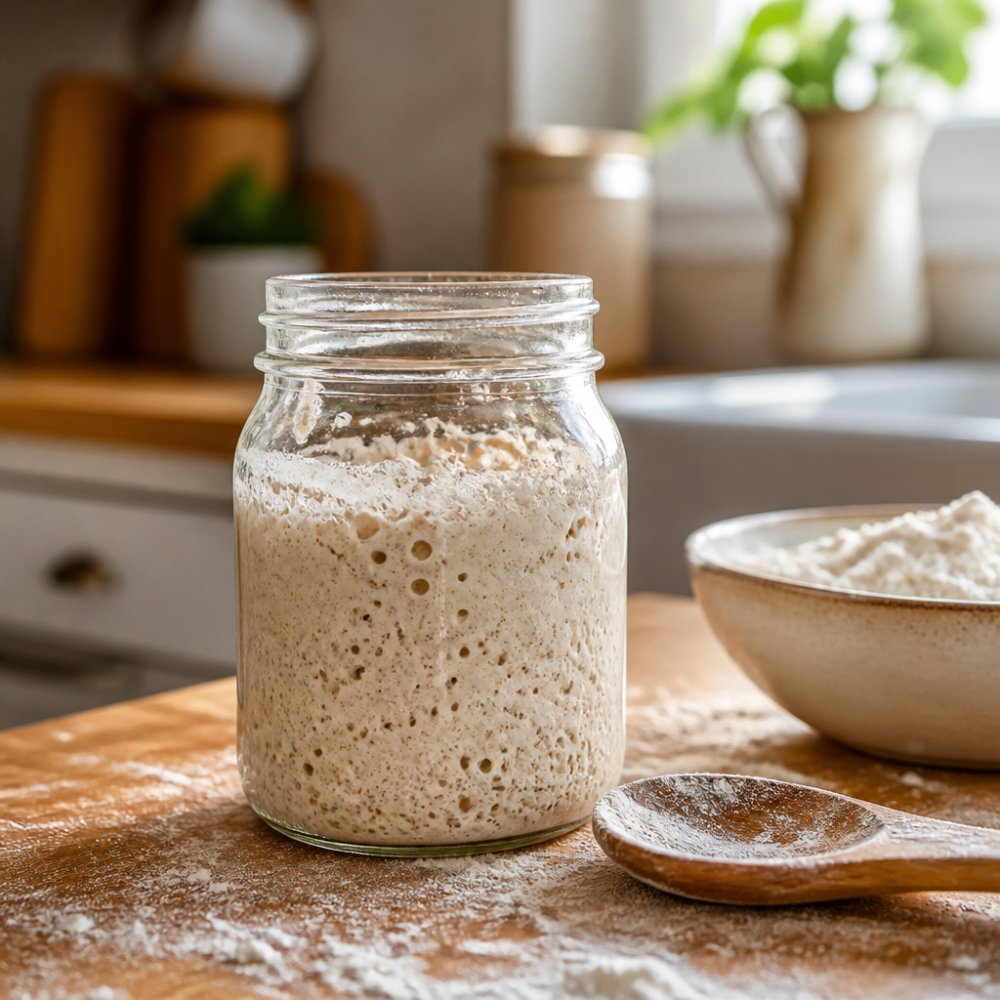
A sourdough starter is a living culture of wild yeast and lactic acid bacteria working in tandem. The yeast produces carbon dioxide that lifts the dough; the bacteria produce lactic and acetic acids that create sourness and, more importantly, start dismantling hard-to-digest compounds.
The USDA FoodData Central database confirms that bread is primarily starch and protein, the two components fermentation acts on first. Because we keep our starter active and feed it on a steady schedule, each loaf gets a consistent microbial population.
Why Time Does What Commercial Additives Cannot
Time is the ingredient commercial bakeries cannot afford. Industrial loaves often rely on dough conditioners, emulsifiers, and added gluten to force a fast rise, which skips the enzymatic breakdown that makes bread gentle on the gut.
A traditional ferment measured in hours, not minutes, lets those enzymes finish their work. The practical result is a loaf that behaves differently in your digestive tract, not just on your plate.
Sourdough Bread Gluten Content: What Fermentation Actually Changes
Sourdough bread still contains gluten, but long fermentation alters its structure. The bacteria produce enzymes called proteases that partially break down gluten proteins into smaller fragments, which is why many people who react to commercial bread report fewer issues with traditional sourdough.
This is not the same as being gluten-free. Anyone with celiac disease should avoid all wheat bread, sourdough included, and follow guidance from the Celiac Disease Foundation. For everyone else, the difference in how the gluten is structured can matter.
Gluten Breakdown During Long Fermentation
Gluten is a network of two protein groups, gliadins and glutenins, that gives bread its chew. During a long ferment, protease enzymes cleave parts of that network into shorter peptide chains.
Shorter chains are generally easier for the body to process than intact gluten proteins. That structural change, not the removal of gluten, is the honest explanation for why traditional sourdough is easier digested for many people.
| Bread Type | Fermentation Time | Gluten Structure | Typical Digestive Experience |
|---|---|---|---|
| Traditional sourdough | 12-24+ hours | Partially broken down | Often gentler |
| Commercial yeast bread | 1-3 hours | Largely intact | Can feel heavy |
| Fast-rise sandwich bread | Under 1 hour | Intact, reinforced | Most likely to cause discomfort |
Sourdough and FODMAPs: Why Fewer Fructans Means Less Gas
Sourdough and FODMAPs connect through fructans, a type of carbohydrate in wheat that many people struggle to absorb. Fructans are fermentable, meaning gut bacteria feed on them and produce gas as a byproduct.
During a long sourdough ferment, the lactic acid bacteria consume a meaningful share of those fructans before baking. Less fructan in the finished loaf means less fuel for gas-producing bacteria in your gut. This is the same reason some people who avoid regular bread find they tolerate sourdough better, though individual tolerance still varies.
Sourdough Bread and Bloating: What the Research Says
Sourdough bread and bloating is the question we hear most at our Toms River storefront, and the answer is genuinely encouraging. Bloating after bread usually traces back to rapid fermentation in the gut, driven by fructans and hard-to-digest starches.
Because traditional sourdough arrives partly pre-digested, there is less left for gut bacteria to ferment aggressively.
That said, no bread suits everyone. If you have a diagnosed digestive condition, talk to your doctor before changing your diet.
Traditional Sourdough vs. Commercial Bread: A Side-by-Side Comparison
The difference between traditional and commercial bread is not marketing, it is process. Traditional bakers rely on a live culture and time; commercial bakers rely on speed and additives.
We have built our whole operation around the traditional side of that divide. Our Classic Loaf is naturally fermented for a balanced tang and a soft, airy crumb, and it is Pas Yisroel, Yoshon, and Pareve. Every loaf we sell is baked fresh and delivered weekly, so you are never choosing between convenience and quality.

For households that want variety, we also bake a Jalapeño Loaf, an Olive Loaf, and a Garlic Loaf, each fermented the same slow way. If you are comparing us to a bakery that ships from out of state, the tradeoff is simple: we deliver locally, fresh, on a schedule you can rely on.
Who Benefits Most from Traditional Sourdough
Traditional sourdough tends to suit people who notice bread sits heavily, who want a shorter ingredient list, or who simply prefer the flavor of a real ferment. Health-conscious home cooks, busy professionals, and families who keep a kosher kitchen all find a natural fit with what we bake.
If you are searching for fresh sourdough near me in the Toms River area, our subscription model removes the guesswork. You pick your loaves, we bake them fresh, and they arrive weekly without a last-minute trip to the store.
Frequently Asked Questions
Why is traditional sourdough easier to digest?
Traditional sourdough goes through a long fermentation process where wild yeast and lactic acid bacteria break down complex carbohydrates, gluten proteins, and antinutrients like phytic acid. This predigestion happens before the bread ever reaches your plate, so your stomach and intestines have less work to do. Commercial bread, by contrast, is often made with fast-acting yeast in a few hours, leaving those compounds largely intact.
Is sourdough bread easier to digest than regular bread?
For many people, yes. The fermentation process in traditional sourdough reduces fructans, a type of FODMAP carbohydrate that commonly causes gas and bloating. It also partially breaks down gluten, which can make the bread gentler on the digestive system. However, individual tolerance varies, and anyone with celiac disease should still avoid all wheat-based bread, including sourdough.
Does sourdough fermentation reduce gluten?
Long fermentation does reduce gluten content to some degree. Studies have shown that fermenting sourdough for 12 to 24 hours can break down a significant portion of gluten proteins, particularly the gliadin fraction that triggers reactions in sensitive individuals. The reduction is not complete, though, so sourdough is not safe for people with celiac disease or a diagnosed wheat allergy.
Can people with gluten sensitivity eat sourdough bread?
Some people with mild non-celiac gluten sensitivity report tolerating traditionally fermented sourdough better than commercial bread. The longer fermentation degrades some gluten peptides and reduces other compounds that may contribute to symptoms. That said, sourdough still contains gluten, so anyone with celiac disease or a confirmed wheat allergy should not eat it. Talk to your doctor before making changes if you have a diagnosed condition.
Does sourdough bread contain less FODMAPs?
Traditional sourdough contains fewer FODMAPs than regular bread because the fermentation process consumes fructans, the main FODMAP in wheat. A 12-hour or longer fermentation can reduce fructan levels substantially, which is why some people who react poorly to commercial bread find sourdough more comfortable. It is not FODMAP-free, so those on a strict low-FODMAP diet should still monitor portion sizes.
How long should sourdough ferment to be easier to digest?
Most bakers find that a minimum of 12 hours of fermentation makes a noticeable difference in digestibility. At 18 to 24 hours, the breakdown of gluten, fructans, and phytic acid is more complete. Temperature also matters: a cooler, slower ferment gives the bacteria more time to work. Sourdough labeled as long-fermented but rushed in 4 hours will not offer the same digestive benefits.
Can sourdough bread cause bloating or stomach discomfort?
Sourdough can still cause bloating in some people, especially if they eat large portions or have an underlying sensitivity. However, because traditional sourdough has lower fructan levels and partially broken-down gluten, it tends to cause less bloating than commercial bread for most people. If you consistently react to sourdough, consider whether other ingredients or portion size are the cause.
Is sourdough safe for people with celiac disease?
No. Sourdough bread made with wheat, barley, or rye flour contains gluten, and the fermentation process does not eliminate it entirely. Even long-fermented sourdough retains enough gluten to trigger an immune response in someone with celiac disease. If you have celiac disease, you need certified gluten-free bread, not sourdough.
Digestive comfort is personal, and guessing at the grocery store shelf rarely pays off. Isaacs Artisan Sourdough bakes every loaf with a genuine long ferment, delivers fresh weekly across the Toms River area, and backs it with kosher certification you can verify. Subscribe to Isaacs Artisan Sourdough and put a properly fermented loaf on your table this week.